
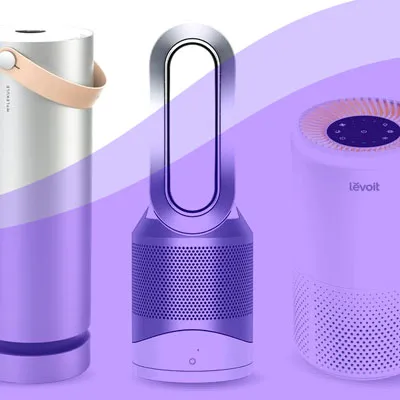
If you’re like most people, you probably spend a lot of time indoors. Unfortunately, pollutants follow us indoors and can affect our health. These pollutants can aggravate allergies or spark an asthma attack. One way to improve your indoor air is to purchase an air purifier. Here are the things you need to know when considering an air purifier:
What Does An Air Purifier Do?
An air purifier removes contaminants from the air and improves indoor air quality.
Some Things To Consider When Choosing You Air Purifier
Air purifiers vary and you’ll want to choose one that filters the specific allergens or particles that cause you problems. You’ll also want to think about the size of the space where you spend most of your time, as different filters work better in different spaces.
How Do Humidifiers Differ From Air Purifiers?
Humidifiers do not clean the air, they only add moisture to it. If you want your air to be purified from allergens and other particles, you will need to purchase an air purifier.
What Type of Particles Do You Want to Filter?
When you’re shopping for filters, it’s important to know which type of filter will meet your needs. Let’s take a look at the most common filters and discuss what each one does.
Carbon-based Filters: These filters will remove some particles and odors, but are less effective at removing dust, pollen, and mold.
Ionizer: Ionizers use a high voltage wire or carbon brush to remove the particles from your rooms. They can remove dust, bacteria, pollen, smoke, and other allergens from the air.
Electrostatic Precipitation: This filtration device uses a wire to charge particles and can remove things like dust and smoke.
UV Germicidal Irradiation: This UV light is used to inactivate microbes. It can kill mold and bacteria, but is ineffective against dust, pet dander, and other such allergens.
Photoelectrochemical Oxidation: This technology destroys pollutants such as bacteria, mold, allergens, ozone, and VOCs.
HVAC Filters: These filters are different in that they are permanently installed (not portable). The filter is a part of your heating and cooling system and can help clean the air in your home, reducing the amount of allergens you encounter.
HEPA Filters: HEPA stands for High Efficiency Particulate Air. These filters use fibrous media to remove particles like dust, pollen, and mold from the air. HEPA filters are ideal for most airborne allergens.
What Size of Area Do You Want To Purify?
The size of your room or space will determine what type of filter you buy. Check the unit you are purchasing to determine the amount of square feet it can handle. The clean air delivery rate, or CADR, will give you an idea of how many particles and how many square feet an air purifier can accommodate.
*We may receive a commission from purchases made from links on this page.