Back to blog

Sunglasses For Your Allergies

Pollen, dust, and other particles can wreak havoc on those who are sensitive to allergens, especially now that spring has sprung. One of the most annoying allergy symptoms is dry, irritated, or itchy eyes. Many people treat their allergy symptoms by avoiding the outdoors altogether, wearing a mask, or taking medications. But, a lesser known way to protect yourself and your eyes in particular is by using protective goggles called “allergy goggles” or sunglasses.

October 5, 2025 Pollen Sense View production source
Sunglasses For Your Allergies

Pollen, dust, and other particles can wreak havoc on those who are sensitive to allergens, especially now that spring has sprung. One of the most annoying allergy symptoms is dry, irritated, or itchy eyes. Many people treat their allergy symptoms by avoiding the outdoors altogether, wearing a mask, or taking medications. But, a lesser known way to protect yourself and your eyes in particular is by using protective goggles called “allergy goggles” or sunglasses.

How Can Eyewear Protect Me?

In one study, researchers found that allergy-sufferers who wore shades during the day required significantly less antihistamine than those who didn’t, and reported fewer eye-related symptoms.

Why? Sunglasses block the pollen from reaching your eyes. They also block UV rays, which  can stimulate allergy symptoms, so it’s like killing two birds with one stone. The amazing thing is, that if you block allergens from your eyes, you could be helping your nose too. That’s because your eyes and nose are connected in a ‘reflex arc’.

What Type of Eyewear Should I Get?

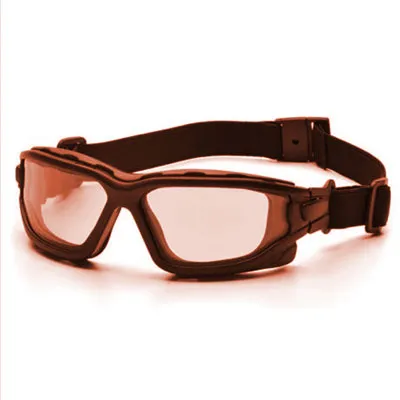
It should be noted that large, wrap-around sunglasses or goggles work best, because they are the ones that will block the most pollen. They do this by decreasing the amount of air that circulates around your eye.

You can still wear your regular sunglasses to protect your eyes from pollen, though they won’t help as much. Still, UV-blocking shades can help to control symptoms by blocking light, which exacerbates allergy symptoms in the eyes.

Next time you go shopping for sunglasses, think about getting a pair that protects you from allergies!

More from Pollen Sense

A clearer, more helpful Pollen Wise home screen

We’ve been spending a lot of time reviewing feedback, reading survey responses, and looking closely at how people are using Pollen Wise. One common thread amongst the feedback and survey responses stuck out: people want the app to feel easier to understand at a glance, and more helpful in answering the question, “What should I care about right now?” That thinking shaped this latest update. This is a major refresh to the Pollen Wise home screen, and while we know there is still more to improve, this update is an important step. We’re continuing to build, refine, and learn, and your feedback is a big part of what helps us decide where to go next.

Incoming: Branches, Revisions, and Layers

Update: The data cutoff for legacy metrics data was changed from March 11 to March 23, 2026 6PM UTC. Data before that date will continue to be available for the forseeable future, however data after March 23, 2026 6PM UTC will no longer be present either in the legacy portal data viewer or via v1 APIs. Please use the V2 APIs and the Branch/Revision-powered data viewer in the portal for live incoming data

LLMs vs CNNs: Why Physical AI Starts With Data Infrastructure

When we say “AI” at Pollen Sense, most people assume we mean LLMs. We don’t. When people hear that Pollen Sense is building AI data infrastructure, the default assumption is usually large language models, chatbots, text generation, or conversational AI. That’s understandable given the moment we’re in. But it’s not what we mean when we say AI. At Pollen Sense, AI data infrastructure means Physical AI, machine learning systems that directly observe the real world, classify physical signals in real time, and convert them into structured, trustworthy data that other systems can reason on.

Take a Deep Breath

Real-time particulate intelligence for public health, research, and daily life.

Whether you need a sensor network, licensing, or a better allergy experience, the same Pollen Sense infrastructure powers it.